New Carlisle Commute Options, Driving Routes & Rail
November 6, 2025
November 6, 2025
Is your workday split between Zoom calls at home and on-site meetings across the region? If you live in or near New Carlisle, your commute choices matter for time, stress and budget. You want realistic door-to-door estimates, clear routes, and a plan that works in winter and during peak season traffic. In this guide, you’ll learn the primary drive options to South Bend, La Porte and Michigan City, how the South Shore Line fits in today, what the studied New Carlisle station could mean, and a simple method to map your true door-to-door time and cost. Let’s dive in.
Driving in and out of New Carlisle centers on US-20, with connectors to the Indiana Toll Road and regional arterials. Your best route depends on where you start in town and exactly where you’re going.
US-20 is the principal east-west arterial feeding South Bend. It connects you toward downtown and major employment areas such as medical districts and university campuses. Expect the heaviest congestion inbound to central South Bend in the morning and outbound in the evening. Intersections along US-20 and US-31 can slow traffic during peak periods. If you need steadier travel times, limited-access segments via the Indiana Toll Road (I-80/I-90) can sometimes trade a longer distance for better reliability, though you should factor tolls.
Heading west toward La Porte, US-20 remains the most direct arterial for many drivers coming from New Carlisle. Seasonal traffic can increase variability, especially in summer when more drivers are headed toward the lakeshore. Keep an eye on construction notices from road agencies and consider alternate local connectors when there are work zones.
US-20 also links you to Michigan City, with options to transition to I-94 for portions of the trip depending on your destination. The Indiana Toll Road can shorten some longer trips, particularly if you are continuing beyond the city or toward the Indiana-Michigan border. In summer, tourism adds demand on corridors leading to Lake Michigan. If you need on-time arrival for trains, client meetings or classes, plan a buffer.
The takeaway: door-to-door reliability often matters more than shortest distance. Many commuters choose routes that are slightly longer but more predictable.
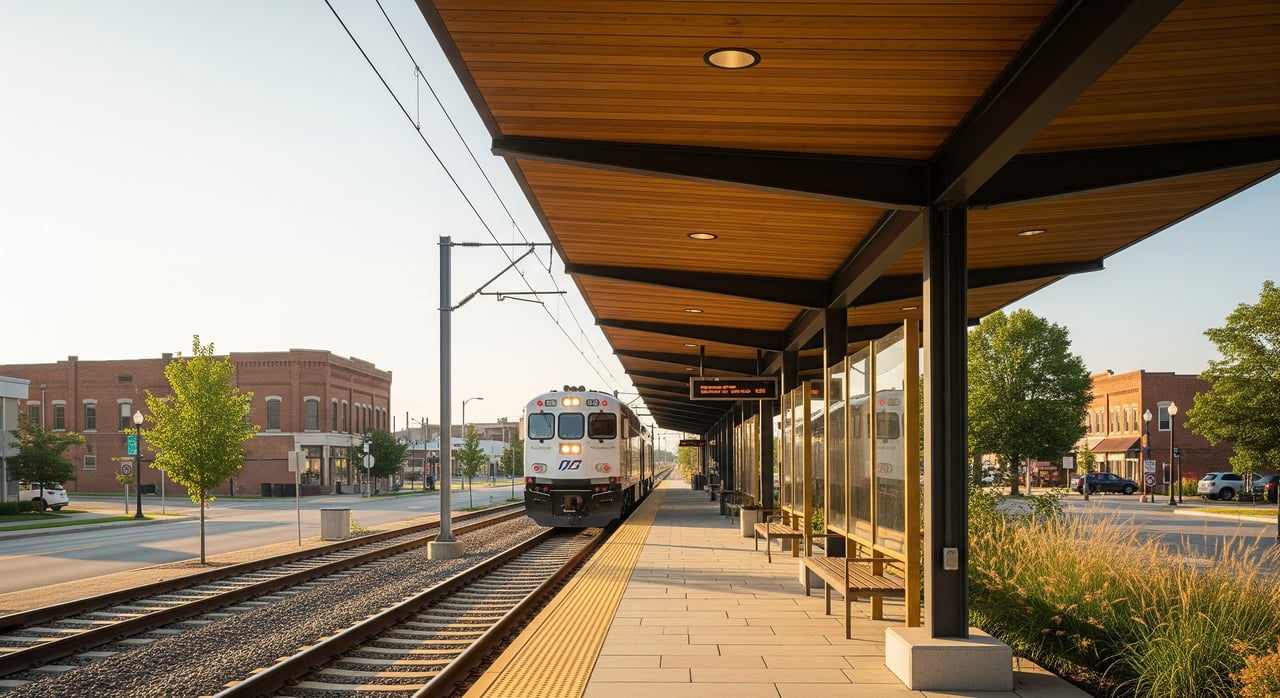
The Northern Indiana Commuter Transportation District operates the South Shore Line between Chicago and South Bend. Current service patterns, station locations, schedules and fares should be checked directly with the operator before planning your trip. Key variables include peak versus off-peak frequency, weekday versus weekend service, trip times, and whether express trains operate when you need them.
If you plan to drive to a South Shore station, review station parking rules and fees. Park-and-ride availability can change, and lots may fill on high-demand weekdays.
A potential South Shore station in New Carlisle has appeared in regional planning discussions. When agencies study a new station, they typically evaluate site options, ridership forecasts, parking and access needs, environmental review requirements, and potential funding. Status can range from conceptual study to design and construction if funding is secured. Do not assume a construction date or final plan without official confirmation from the rail operator or local partners.
A New Carlisle station could create a park-and-ride option that reduces downtown driving and parking needs for some commuters. Actual benefits depend on final service details and lot operations.
A smart plan compares realistic time and cost, not just the in-vehicle minutes you see on a map.
Pick representative origins in New Carlisle, such as the town center, an outlying subdivision, or an industrial park. Then pick your real destinations in South Bend, La Porte and Michigan City. For example, choose a downtown address, a hospital or university campus, or a specific employer location. Specific end points make your data meaningful.
Use a live mapping app to sample multiple departure times on weekdays. Collect morning peak, midday and evening peak. Save screenshots with timestamps. Note whether your route uses the Indiana Toll Road or I-94 and whether those segments tend to run more reliably when surface roads are congested. Track at least several days to see variability.
From the rail operator, record the nearest stations you would use, departure and arrival times that match your schedule, transfer needs if any, and fare details. Add station access time to your plan, including the drive and parking time or the walk/bike time from home. Confirm station parking availability and any fees before you commit.
Break the door-to-door time into components so you can compare apples to apples:
For cost, include miles driven, fuel, tolls, parking fees, transit fares and any rideshare. For hybrid work schedules, multiply by your in-office days and estimate monthly or annual totals.
For important meetings, the 90th percentile time is more useful than the median. Build in a buffer for winter weather and seasonal traffic. If your job allows you to work on the train, that productivity can offset a longer in-vehicle time.
Stress level, winter walking exposure, parking security and the ability to answer emails on a train all matter. Some commuters prefer the control of driving, while others value predictable schedules and the chance to work en route.
Inventory your options before you commit. If you plan to use station parking, confirm the lot address, hours, capacity, permit rules, daily fees and whether there are waitlists. If lots fill on weekdays, plan to arrive early. Keep a backup lot or a different route in mind for peak days or when there are events.
Identify where your preferred route uses the Indiana Toll Road or other tolled segments. Time savings can be worth the tolls if you need a reliable arrival. If you use a transponder, verify any discounts available. Compare a toll route’s reliability with a non-toll alternative so you can make a consistent choice.
If you live close enough to a station or park-and-ride, evaluate sidewalk conditions and lighting, especially for early mornings in winter. Confirm whether bike racks or lockers are available and whether bikes are allowed onboard trains during peak hours.
Rideshare can be efficient for the last mile from a station to your final stop. Budget for cost and wait times, and identify designated pick-up zones to avoid delays or fines.
Large employers sometimes run shuttles or sponsor vanpools. If you work at a hospital, university or corporate campus, ask about these options and how they coordinate with train arrivals or park-and-ride schedules.
Your commute shapes your daily routine, so it should shape your real estate choices too. When you evaluate neighborhoods around New Carlisle, test drive routes at the times you would actually travel. If the studied New Carlisle rail station moves forward, reassess how a park-and-ride might open new options. Reliable door-to-door planning helps you choose the right home, not just the right house.
Ready to explore homes that fit your commute and lifestyle across New Carlisle, La Porte and the Michigan City area? Reach out for local guidance, neighborhood insight and a plan that aligns with your schedule. Request a Free Home Valuation from Unknown Company and get a clear picture of your options.







I am committed to guiding you every step of the way—whether you're buying a home, selling a property, or securing a mortgage. Whatever your needs, I've got you covered.

ADDRESS
1401 LAKE SHORE DR
MICHIGAN CITY IN 46360