
New vs Historic Homes in New Carlisle: How to Choose
January 15, 2026
January 15, 2026
Torn between the clean convenience of a brand-new build and the charm of a historic home in New Carlisle? You are not alone. Each path offers clear benefits and real tradeoffs, from maintenance and energy costs to character, lot sizes, and resale. This guide walks you through what to expect in New Carlisle so you can choose with confidence. Let’s dive in.
New construction often shines on predictability. In the first 5 to 10 years, you typically see fewer repairs because the roof, systems, and finishes are new. Many builders offer limited warranties. A common model is 1 year on workmanship, 2 years on mechanicals, and 10 years on structural elements, though you should confirm exact terms with the builder. Expect some settling and landscaping adjustments in the first year.
Modern builds are designed to current code, which usually means better insulation, efficient windows, and up-to-date HVAC. You can also opt for higher-efficiency packages that may lower monthly bills further. In Indiana’s mixed climate, heating makes up a large share of annual energy use, so understanding the heating system and insulation level is key.
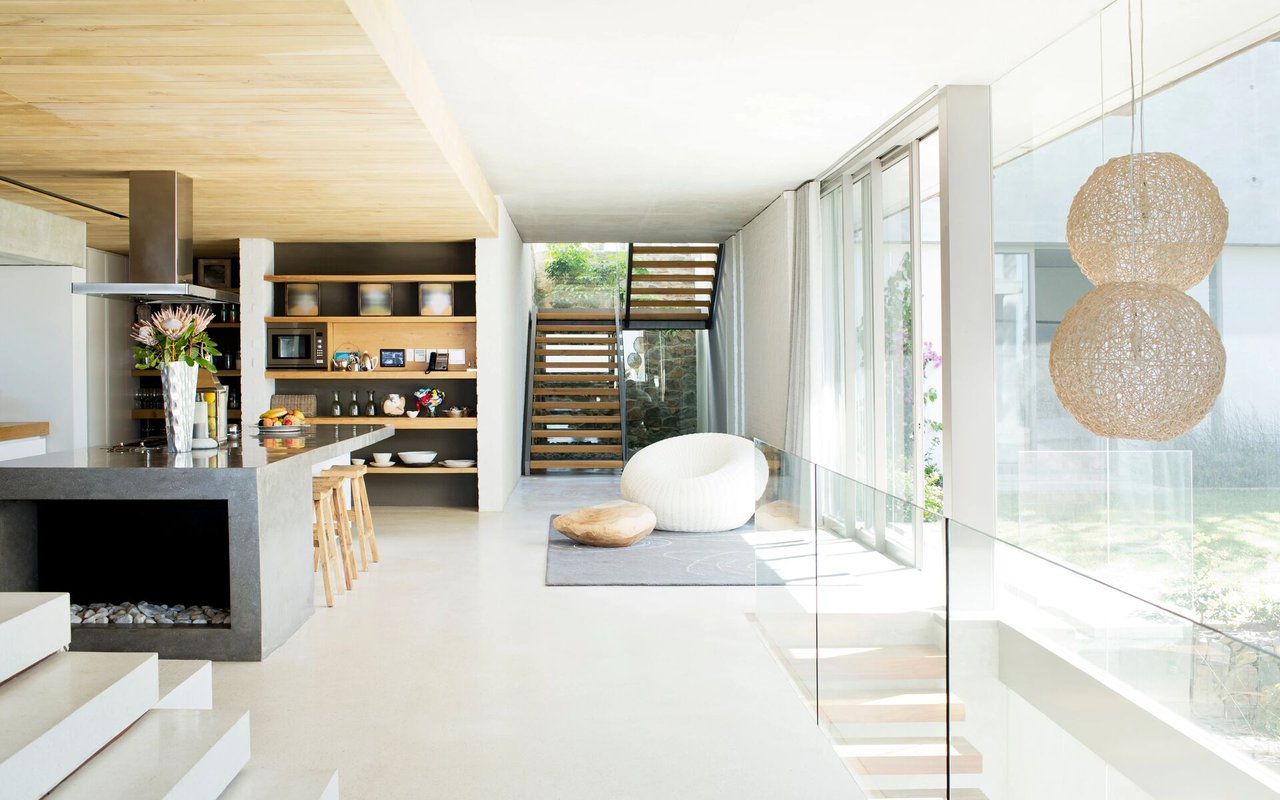
Floor plans in new construction tend to be open and flow well for daily life. You will likely see larger primary suites, generous closets, updated kitchens, and convenient laundry placements. Finishes are consistent and easier to maintain, and you can often customize materials before closing.
In and around New Carlisle, new subdivisions are more common on the edges of town. Lots may be smaller than older in-town parcels, though this varies by development. New streetscapes can feel uniform at first, with landscaping that matures over time.
Homeowners insurance for new builds is often lower at the start because the systems are new and up to code. Builders carry their own insurance during construction, and you arrange your homeowners policy at closing. For financing, you might use a construction-to-permanent loan if you are building from the ground up, or a standard mortgage once the home is complete.
Here are smart questions to ask a builder:
Historic and older homes are loved for their character. You may find original trim, built-ins, solid wood doors, deep front porches, and mature trees. Many sit in established, walkable parts of town. Rooms and layouts can be unique, which adds charm but can also mean smaller kitchens or less open flow than modern homes. Remodeling to today’s tastes is possible, but it can require a larger budget.
Maintenance is the biggest variable. Older roofs, foundations, plumbing, and electrical systems can need attention sooner and may require specialized trades. In older Indiana homes, common inspection flags include masonry foundation movement, water intrusion in basements or crawlspaces, and outdated wiring. Costs in older properties tend to arrive in larger, less predictable chunks.
Historic homes often start with lower baseline energy performance due to older insulation, single-pane windows, and aging HVAC. Targeted upgrades like air sealing, insulation, and efficient systems can improve comfort and costs. A whole-home energy audit helps prioritize work.
Older in-town lots are sometimes deeper or irregular, with mature trees and established landscaping. That can mean more privacy and shade. It also means you should check drainage and any history of water issues.
Insurance for older homes can be higher if systems have not been updated or if replacement costs for period materials are significant. For financing, standard mortgages work well for move-in-ready homes. If you plan major updates, consider rehab financing options like FHA 203(k) or conventional renovation loans that bundle purchase and improvements.
If the home is within a historic district or is listed, exterior changes may be reviewed by a local preservation body. This can affect window replacements, roofing materials, additions, and fences. Owner-occupied homes generally do not qualify for federal historic tax credits, which focus on income-producing properties. Check local and state programs for any incentives that might apply.
Questions to ask for a historic or older home:
Energy bills look different for new builds and older homes. Newer construction benefits from code-level insulation, tighter building envelopes, and modern heating and cooling. That can help lower monthly costs. Older homes can close the gap with targeted retrofits, but upgrades cost money and sometimes intersect with preservation rules if the exterior is affected.
In New Carlisle’s climate, pay special attention to the heating system type, age, and fuel source, along with attic and wall insulation. Ask for recent utility bills during your inspection period. If you are evaluating an older home, a blower-door test and energy audit will highlight the most cost-effective improvements.
If you prioritize yard space and mature trees, older in-town parcels often deliver. You might find deeper or irregular lots, established shade, and existing outbuildings. With that comes maintenance of older landscaping and the importance of checking drainage history. Newer subdivisions prioritize efficient land use. Many offer smaller yards, though some developments and rural-adjacent locations provide larger lots. Evaluate how you plan to use outdoor space before deciding.
Value trends are driven by location first. Historic homes in desirable, walkable cores can command a premium for character and scarcity. New builds in growing areas can appreciate as infrastructure and demand expand. Renovation quality always matters. Documented, tasteful updates help resale, while rushed or mismatched remodels can hold value back.
For a true read on New Carlisle, compare similar properties over time. Look at days on market, price per square foot, and how condition affects value for both older homes and new construction. Your agent can assemble recent comparable sales and help you read the nuance behind each closed sale.
For new construction, you will likely use a construction-to-permanent loan if you are building. Once a new home is complete, a standard mortgage applies. Appraisers consider the lot, the cost to build, and comparable new homes.
For older or historic homes, standard mortgages are common. If the property needs significant work, explore renovation loans that roll upgrade costs into one package. On insurance, new homes can be cheaper to insure at the start due to modern systems. Older homes may carry higher premiums if they have original wiring, plumbing, or custom finishes that are more expensive to replace.
Before committing, verify what approvals you might need. In a historic district, exterior changes often require review. Window replacements, roofing materials, additions, and fences can be regulated. For new builds, review zoning, setbacks, and lot coverage. Check with the Town of New Carlisle planning and building offices to understand timelines, submittals, and any neighborhood-specific guidelines.
Older properties can include materials and conditions that require care. Homes built before 1978 may have lead-based paint. Older insulation, flooring, or pipe wrap can contain asbestos. Indiana homes can have elevated radon, so testing is smart for both old and new homes. Moisture, mold, and pest issues are also more common in aging structures.
Recommended inspections for older homes:
If you want lower near-term maintenance and predictable monthly costs, a new build may be your best path. You will benefit from modern systems, contemporary layouts, and builder warranties. If you love craftsmanship, mature trees, and a one-of-a-kind vibe, a historic home can be a rewarding choice. Be ready to budget for maintenance and choose contractors familiar with period-appropriate repairs.
If outdoor space and privacy matter most, older lots often win. If energy performance and modern conveniences top your list, new construction takes the lead. If you enjoy projects and customization, an older home gives you room to shape the property over time. If you prefer turnkey living, a new build will feel simpler.
If you want a local partner who knows new-construction details and appreciates historic character, reach out to Meghan Maddox. You will get clear guidance, steady communication, and a plan that fits your goals. Ready to take the next step or curious what your current home could sell for? Request a Free Home Valuation.

I am committed to guiding you every step of the way—whether you're buying a home, selling a property, or securing a mortgage. Whatever your needs, I've got you covered.
ADDRESS
1401 LAKE SHORE DR
MICHIGAN CITY IN 46360