Your Guide to Buying a Second Home in Union Pier
March 24, 2026
March 24, 2026
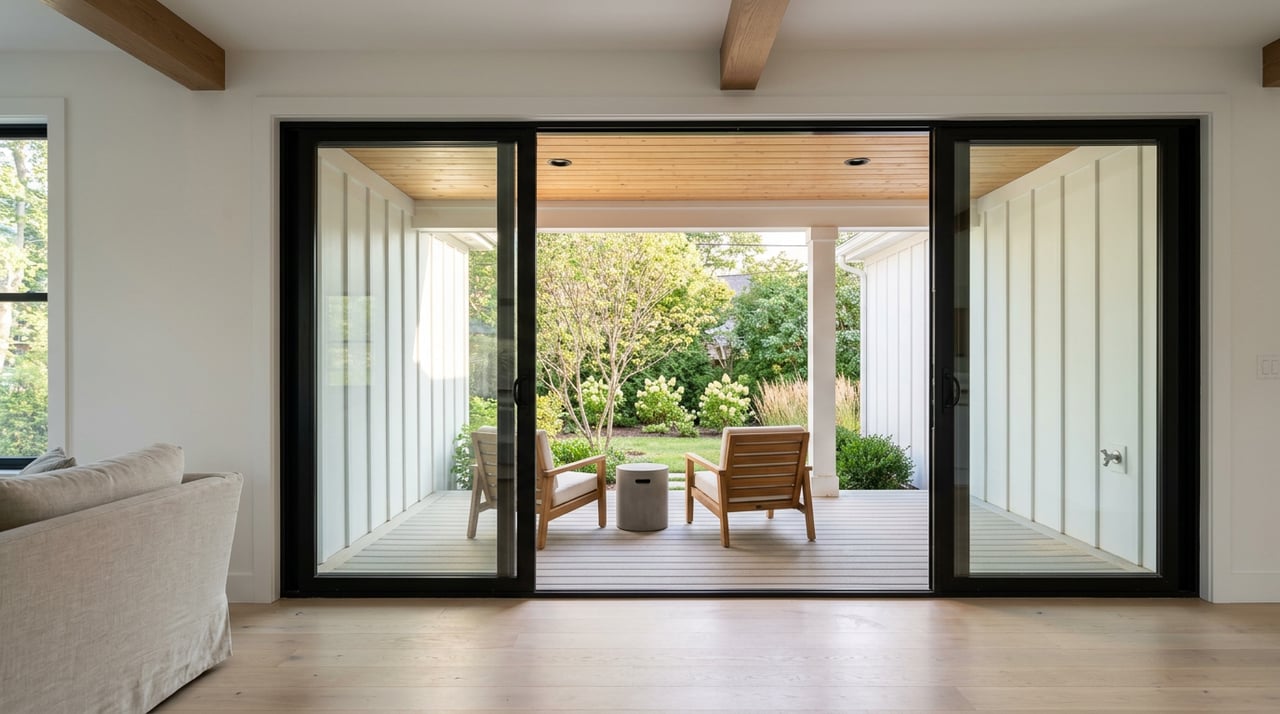
Picture yourself slipping into Friday with a quick drive to the lake, coffee on the porch, and sand between your toes by sunset. If you are considering a second home in Union Pier, you are not alone. The area’s beach lifestyle, small-town feel, and weekend convenience make it a favorite for Chicago-area buyers. This guide gives you the local rules, costs, and practical steps you need to move forward with clarity. Let’s dive in.
Before you fall in love with a cottage, confirm exactly which township the parcel sits in. Union Pier straddles the boundary between Chikaming Township to the north and New Buffalo to the south, and rules can differ by parcel. That detail affects short-term rental licensing, inspections, fees, and local millage for property taxes. Your offer strategy should always include a jurisdiction check.
If renting is part of your plan, note two key facts for Chikaming Township. First, there is a moratorium on new short-term rental licenses through March 23, 2026. Second, the township lists a $200 short-term rental registration or renewal fee, plus inspection rules, a Good Neighbor policy, and a noise ordinance. Always verify current requirements with the township before you write an offer.
Union Pier offers a mix of small vintage cottages, updated bungalows, newer year-round lakefront homes, and a few condo and townhome options. Near the beach, smaller lots and walkable streets are common, while inland parcels can feel more private. It is a classic Harbor Country blend that supports both cozy weekend places and higher-end estates.
Pricing snapshots vary because this is a small, high-value market with thin inventory. A single lakefront sale can swing medians from the mid six figures to well over one million in a given month. Treat national aggregator estimates as directional only and rely on recent MLS comps and local brokerage reports for precise pricing.
If you plan to rent short term, build your due diligence around three layers of rules. First, municipal licensing and inspections vary between Chikaming Township and New Buffalo. Second, many HOAs and condo associations add their own limits, like minimum lease lengths or rental caps. Third, your insurance policy must allow short-term rentals or include the right endorsements, since many standard homeowner policies exclude this activity without extra coverage.
In Chikaming Township, confirm whether a property already holds a valid license, how renewals are handled during the moratorium, and what inspections, occupancy, parking, and noise standards apply. In New Buffalo’s jurisdiction, your parcel will follow separate local licensing language and fee structures. On top of that, request HOA or condominium documents early so you understand any rental restrictions before you commit.
Most lenders treat second homes differently than primary residences. Fannie Mae defines a second home as a one-unit property suitable for year-round use that you occupy part of the year, and it cannot be a timeshare or under a third-party occupancy agreement. Lenders typically want stronger credit, may require extra reserves, and often price loans slightly higher than for primary homes.
Many conventional programs allow down payments as low as about 10 percent for qualified second-home buyers, but in practice many buyers put 15 to 25 percent down to improve pricing and meet lender overlays. Ask your loan officer upfront about reserve requirements, occupancy affidavits, and how they will treat any planned rental income.
Michigan’s Principal Residence Exemption applies only to your primary home. A Union Pier second home will not receive the PRE, so your school tax exposure and effective bill can be higher than on a primary residence. Millage rates also vary by township and overlapping districts, so ask for the current tax bill and request an estimate based on your expected purchase price.
Mortgage interest on a qualified second home can be deductible within the usual federal limits. If you rent the home, IRS “vacation home” rules apply, including the 15-day rule, personal-use allocations, Schedule E reporting, depreciation, and potential loss limits. A quick consult with a CPA before you finalize a rental strategy will help you model cash flow and tax impacts.
Expect homeowner premiums to reflect lake exposure and wind or hail risk. If you plan to rent, ask about host-liability or commercial endorsements, since many policies exclude or limit short-term rental activity without an add-on. If a lender is involved and the home sits in a FEMA Special Flood Hazard Area, flood insurance will be required. Get a flood-zone determination and premium estimate early, because FEMA’s Risk Rating 2.0 can change how premiums are calculated for non-primary residences.
The Union Pier shoreline includes critical dunes and high-erosion areas where special permitting can affect decks, stairs, or shoreline stabilization. Review any recorded permits, prior dune work, riprap, or bulkheads, and understand whether future improvements will need state or local approvals. Lake Michigan water levels cycle over time, which can change beach width and erosion risk, so study recent trends and ask for the property’s shoreline history.
Lake Michigan’s surf can create rip currents during storms. If you plan to host guests, set clear safety rules and consider signage, especially for lakefront homes. Beach conditions also matter for insurance underwriting and your rental house rules.
Second homes in four-season climates need a proactive plan. Line items often include winterization of plumbing, routine HVAC servicing, snow removal, pest control, and mildew prevention as temperatures swing. Lake-adjacent properties may require deck maintenance, dune stabilization, and periodic shoreline clean-up, subject to permits. In some parts of Union Pier, private wells and septic systems are common, so request recent inspection records and plan for periodic service.
If you will rent, add turnover cleaning, linen services, and guest-support systems to your budget. Decide early whether you will self-manage or hire a local property manager, and compare service scopes and references before peak season.
Use this checklist to organize your due diligence. Save it to your phone and work through each point with your agent, lender, and tax or insurance pros.
- Which township and taxing jurisdictions cover this parcel (confirm tax bill and current millage)? (berriencounty.org)
- Is the property inside any FEMA flood zone or mapped critical-dune/high erosion overlay? Will flood insurance be required for a mortgage, and what is a premium estimate? (advantageflood.com)
- If I want to rent short term, does the property already have a valid STR license (city/township)? Are new permits being issued or is there a moratorium? What inspections/fees/renewal rules apply? (chikamingtownship.org)
- Does the HOA or condominium declaration limit rentals, require minimum lease lengths, or impose special guest/parking rules? Ask for HOA minutes and rental-policy language. (chikamingtownship.org)
- Is municipal water/sewer at the road for this parcel or does it rely on a private well/septic? Ask for recent septic inspection and well test. (homes.com)
- Has the property had shoreline permits, dune work, riprap, or bulkhead installations? Are any remediation projects recorded or pending? (swmpc.org)
- What did comparable sales (MLS comps) show in the last 6–12 months (use local MLS and local brokerage reports rather than national aggregator alone)? (zillow.com)
- For financing: will the buyer use a conventional second-home loan (ask lender about minimum down payment, required reserves, and occupancy affidavit) or another product? Confirm lender overlays for second homes. (fanniemae.com)
- For taxes: will the buyer be eligible for PRE (principal residence exemption) or not? (If not, provide an estimate of tax burden from the assessor.) (michigan.gov)
- For operations: who will manage maintenance/turnovers when the owner is off-site? Get cost estimates and references for local property managers. (Local rental companies and managers are listed through Harbor Country directories.) (harborcountry.org)
Over time, value in Harbor Country often tracks lifestyle and ease of use. Homes closer to Lake Michigan beach access, with simple walks to Union Pier shops and dining, tend to see strong demand. Year-round systems, documented shoreline stability, and a clear local permitting history support confidence for future buyers. Keep in mind that short-term rental returns can be attractive, but permits, inspections, insurance changes, and moratoriums can affect net cash flow.
You deserve a second home plan that fits your lifestyle and your numbers. If you want local guidance on neighborhoods, rental rules, and a smart offer, connect with Meghan Maddox for clear, patient representation from search through closing.
I am committed to guiding you every step of the way—whether you're buying a home, selling a property, or securing a mortgage. Whatever your needs, I've got you covered.
ADDRESS
1401 LAKE SHORE DR
MICHIGAN CITY IN 46360