Marketing Your Long Beach Home To Second-Home Buyers
June 11, 2026
June 11, 2026
If you’re selling in Long Beach, your buyer may not be looking for a full-time address at all. Many shoppers here are searching for a place that feels like an easy weekend escape, with simple upkeep, strong outdoor appeal, and a location that makes getting away feel realistic. When you market your home with that buyer in mind, you can present it in a way that feels more relevant and more compelling from the first photo forward. Let’s dive in.
Long Beach has a natural story to tell as a second-home market. The town notes that it was established in 1921 as a summer resort community for Chicago families, and that lakeside identity still shapes how people experience it today.
For buyers, that means Long Beach is not just another residential area near the water. It offers public beach access, protected dune areas, neighborhood parks, and regional access that places it about an hour from downtown Chicago, which fits the kind of convenience many second-home buyers want.
The broader area also strengthens that appeal. Indiana Dunes National Park adds 15 miles of shoreline, more than 50 miles of trails, beaches, birding, and access by major highways and South Shore rail, giving buyers more reasons to picture regular use instead of occasional visits.
When you market a Long Beach home to second-home buyers, the goal is usually not to make it sound like a standard suburban listing. It should feel like a home that supports easy escapes, low-stress ownership, and enjoyable weekends.
That matters because the resort and second-home segment tends to attract a different buyer mindset. Research from the National Association of Realtors shows this market includes buyers looking for vacation properties, retirement options, and practical lifestyle purchases, not just a primary residence.
Many of these buyers are also experienced. NAR reports that repeat buyers made up 79% of all buyers, and 30% paid all cash, which suggests that many second-home shoppers may be comparing your home with a clear eye for convenience, condition, and value.
There is also a mature buyer profile in this niche. In NAR’s 2024 generational trends report, only 3% of all buyers said they owned one or more vacation homes, but that share rose to 6% to 7% among older buyers.
Today’s second-home buyer is often looking for a property that feels easy to own. A beautiful setting helps, but practical details can carry just as much weight when someone is deciding whether a home feels worth the trip, the expense, and the ongoing maintenance.
NAR data shows buyers commonly make compromises on price, condition, size, and style. At the same time, important features include heating and cooling costs and the condition of windows, doors, and siding.
That gives sellers a clear direction. If your home has updated systems, an easy-care exterior, or practical improvements that reduce future maintenance, those details deserve a prominent place in your marketing.
Neighborhood and lifestyle details matter too. Buyer preferences in the same report included shopping, neighborhood design, parks and recreational facilities, and outdoor space for pets, which makes Long Beach’s access to beach and recreation part of a strong overall story.
Second-home buyers often begin their search from a distance, so your listing has to work hard before a buyer ever steps inside. In many cases, the online presentation is what decides whether your home becomes a must-see or gets skipped.
That is especially important because buyers rely heavily on visual content. NAR reports that 81% of buyers rated listing photos as the most useful feature in their online search, and 52% found the home they purchased online.
Staging and media also matter because they help buyers imagine ownership from afar. In NAR’s 2025 staging study, 83% of buyers’ agents said staging made it easier for buyers to visualize a property as a future home, while photos, physical staging, videos, and virtual tours were all considered important tools.
For Long Beach sellers, that means your home should not simply be listed. It should be prepared to make a strong impression from the very first click.
Your marketing should help buyers picture how they would actually use the home. Instead of only highlighting style, show how the property supports easy arrivals, comfortable stays, and relaxed time near the lake.
In many Long Beach listings, the most effective story is one of usability. Features like a porch, deck, patio, manageable yard, updated kitchen, comfortable primary suite, and flexible guest space can help a buyer imagine hosting friends or slipping into a quick weekend routine.
Practical language tends to work better than vague promotion. Phrases like weekend-ready, easy-care, turn-key, low-maintenance exterior, about an hour from downtown Chicago, and close to Indiana Dunes fit both the local setting and what buyers in this category often value.
If your home includes updates to the roof, HVAC, windows, siding, or other major systems, be direct about them. Those are the kinds of facts that support confidence for a buyer who may be trying to avoid a long to-do list after closing.
A clean, bright, experience-driven presentation works especially well for Long Beach homes. Buyers want to imagine themselves relaxing there, not managing a project from day one.
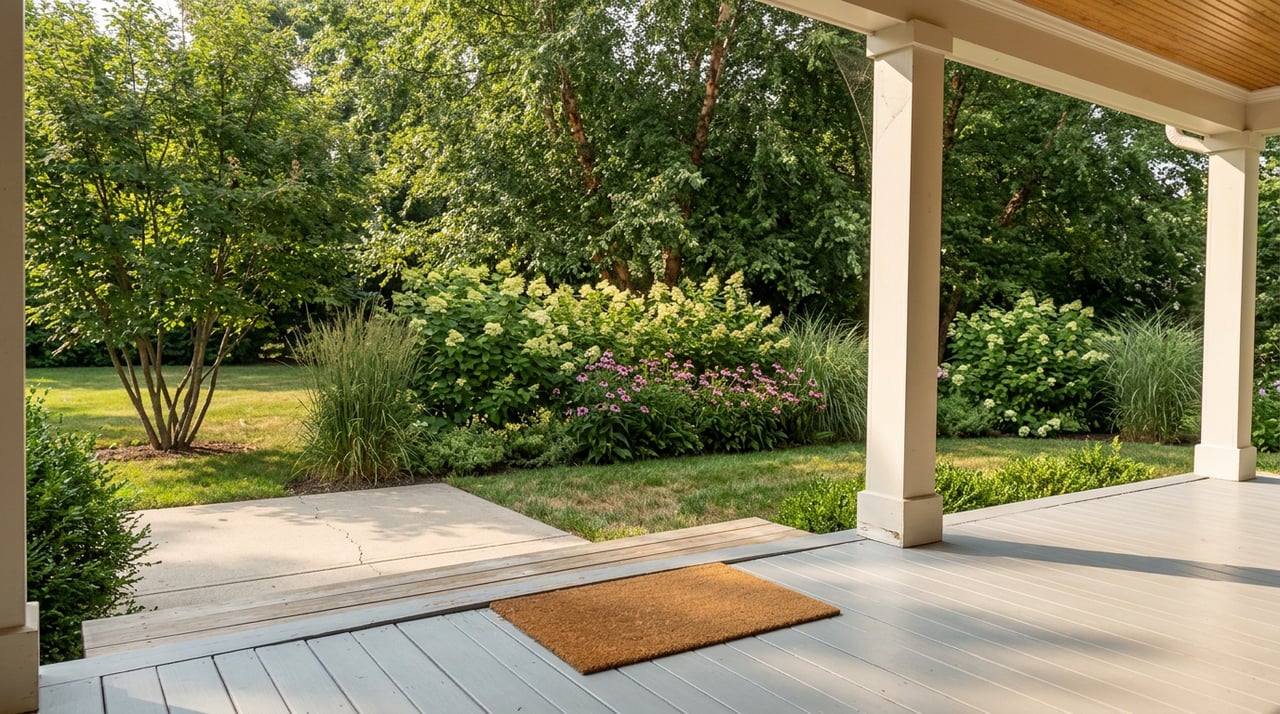
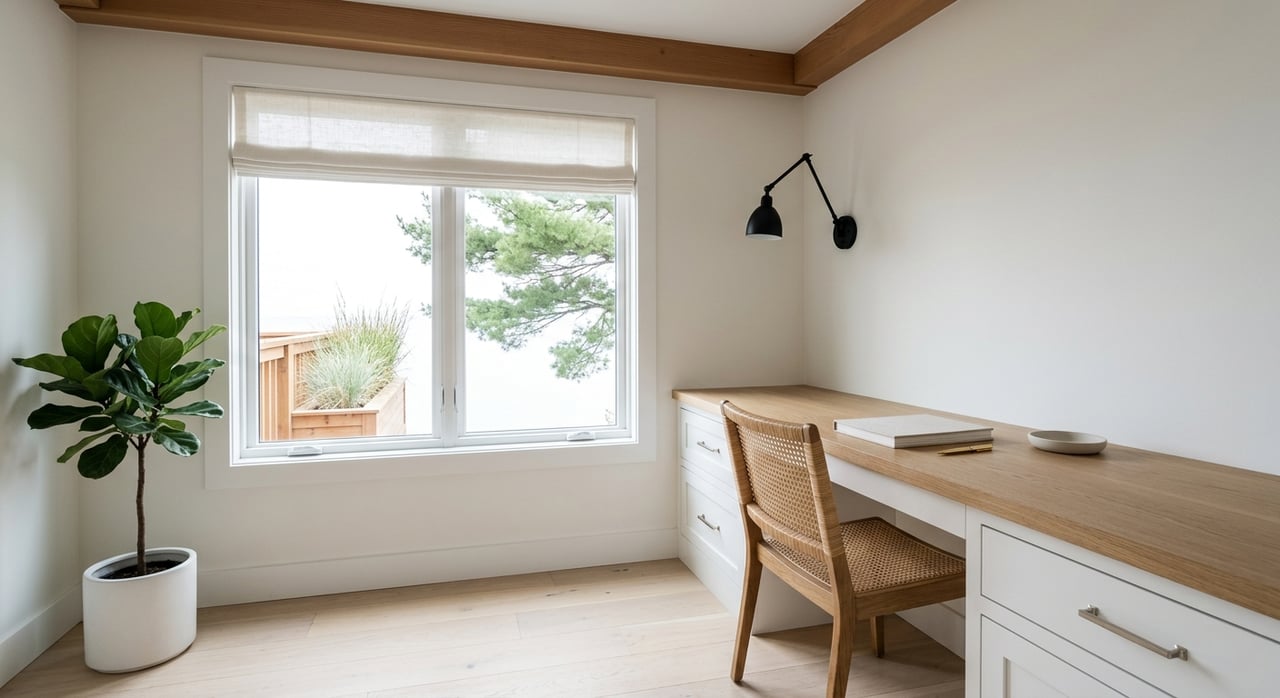
NAR recommends simple but important prep work before showings and photos. That includes removing clutter, cleaning windows and screens, replacing burnt-out bulbs, using bright neutral paint, handling minor repairs, and tidying outdoor areas.
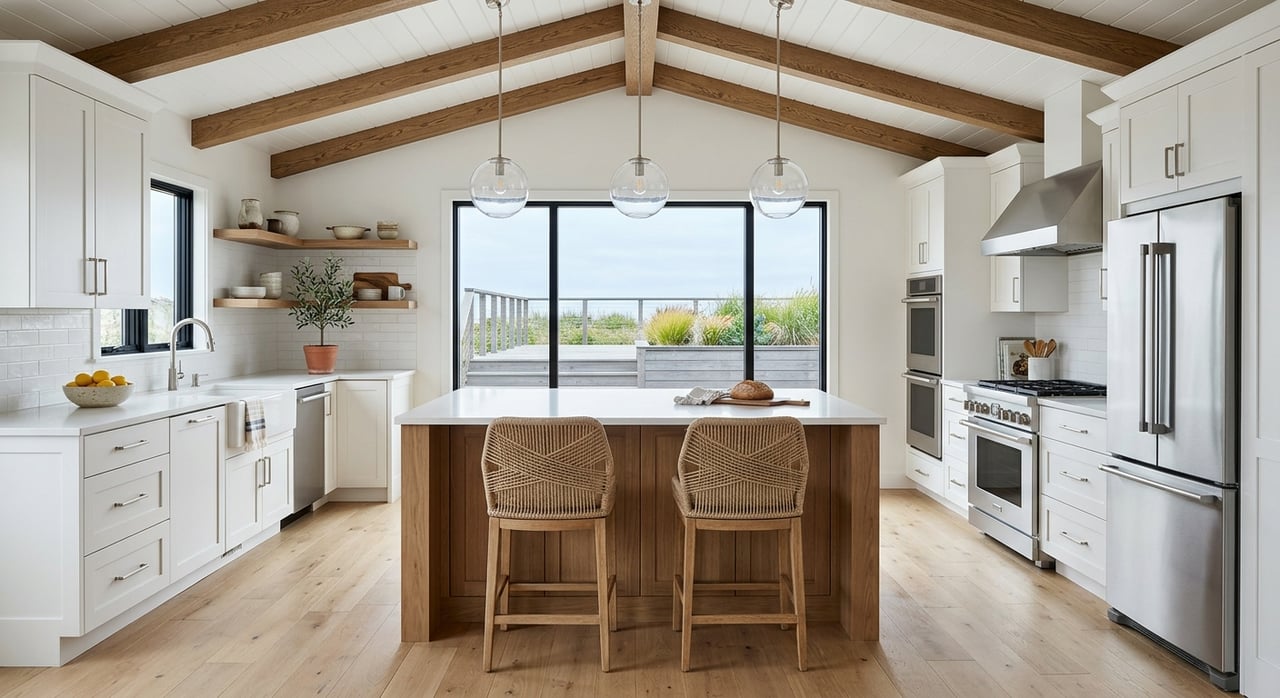
The rooms that deserve the most attention are also fairly clear. According to the 2025 staging report, the living room, primary bedroom, and kitchen were the most important rooms to stage.
For a second-home buyer, those spaces often represent the heart of the experience. The living room suggests comfort, the kitchen suggests ease and gathering, and the primary bedroom suggests a private retreat after a day near the lake.
The order of your listing photos can shape how buyers feel about the property before they read a single word. In a market like Long Beach, that first image should quickly communicate why this home fits a lake-retreat lifestyle.
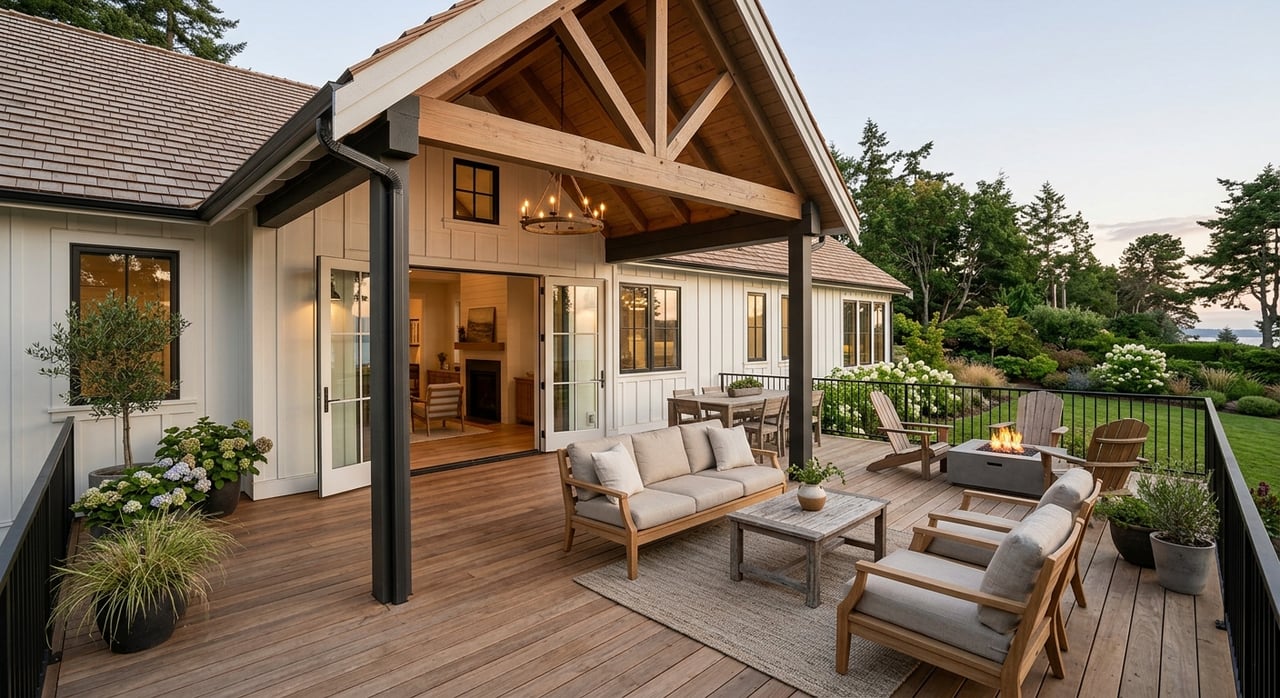
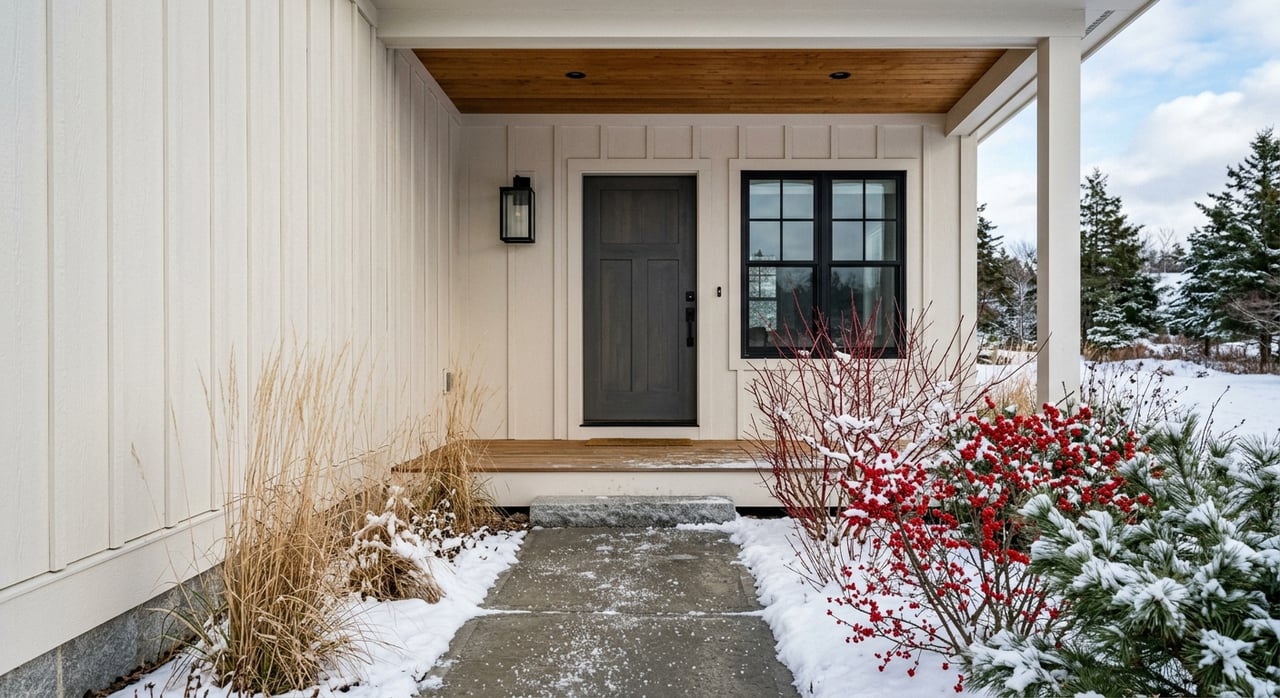
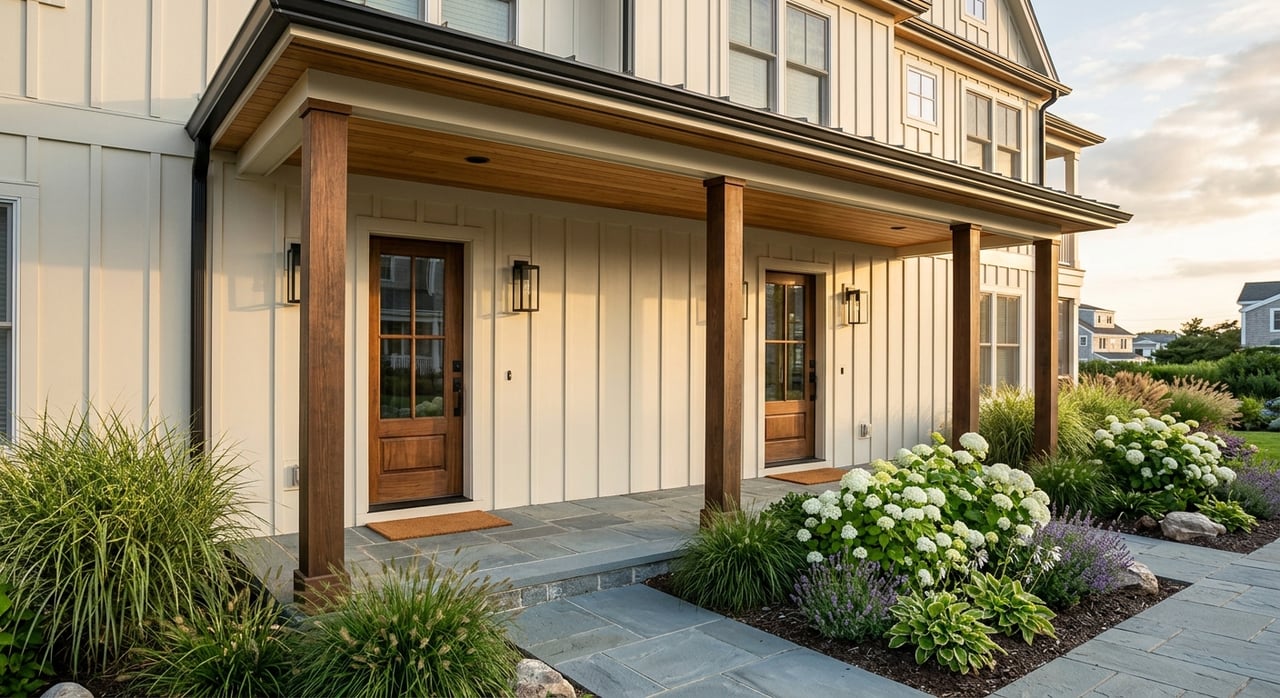
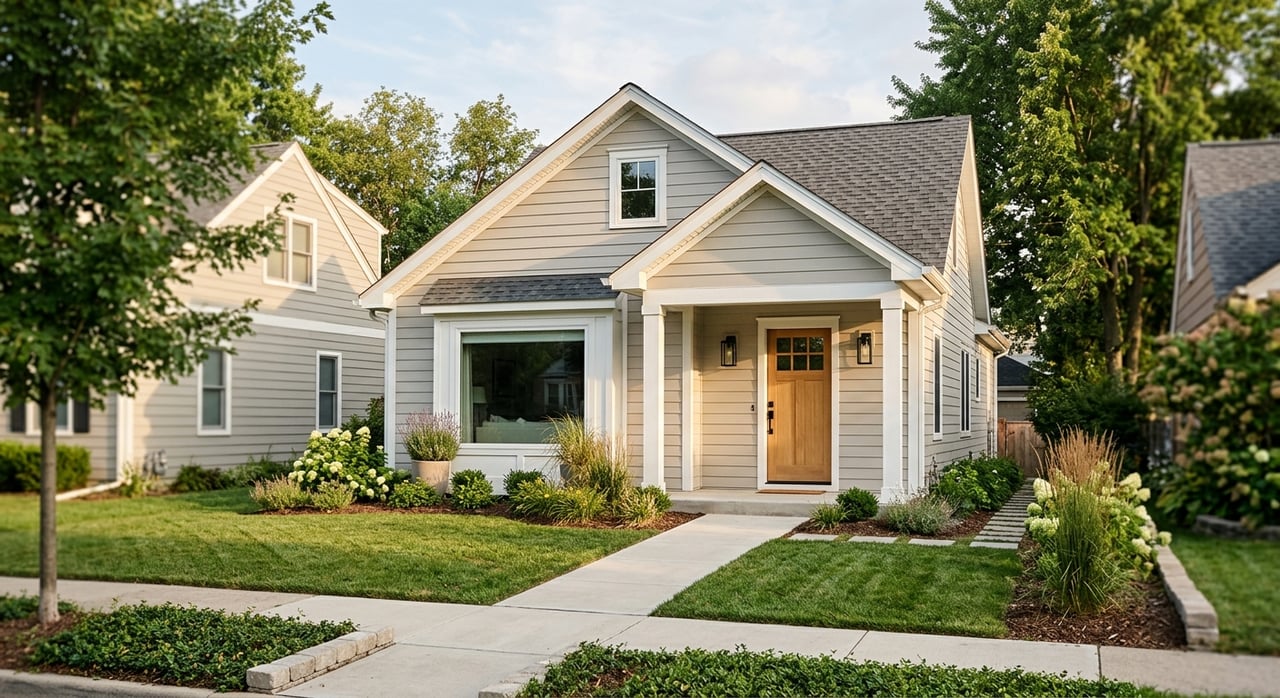
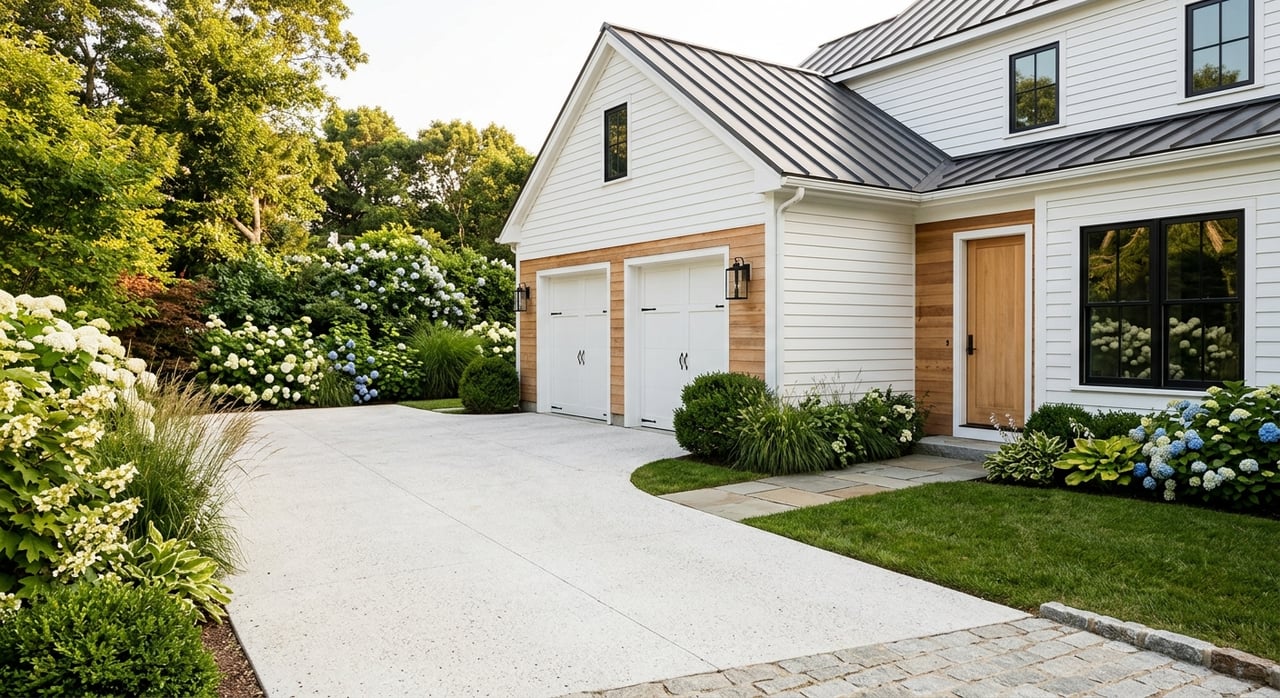
For many properties, the strongest opening image is the best exterior or lifestyle-oriented shot. That could be a bright front elevation, a porch with inviting seating, or an outdoor space that immediately feels connected to weekend living.
After that, the photo sequence should prove function. Good follow-up images often include the deck or patio, yard, kitchen, primary suite, and any guest or flex space that supports second-home use.
This matters because the first few days online can carry outsized weight. If a listing does not gain traction quickly, NAR guidance suggests refreshing the lead photo, changing photo order, and improving how the home is re-shared.
One of the best ways to market your home is to stay specific about what makes Long Beach distinct. Generic lake language is less persuasive than concrete details buyers can understand and remember.
The town’s official materials support describing Long Beach as a primarily residential lakeside setting with public beach access, dune landscapes, neighborhood parks, and community events. Those details help frame the home within a place that feels established and genuinely used for leisure.
You can also mention the area’s regional access in a practical way. Long Beach’s location near major routes and the broader Indiana Dunes area supports the idea that getting here from Chicago and other nearby areas can be straightforward.
There is also a stewardship story that can be handled thoughtfully. Long Beach monitors beach water quality during the recreational season with support from the LaPorte County Health Department and the Indiana Department of Environmental Management, which speaks to local attention to the shoreline environment.
If you plan to sell in the next 6 to 18 months, your marketing strategy should start well before the home goes live. The strongest launch usually comes from steady preparation, not last-minute scrambling.
NAR advises sellers to deep clean, fix minor issues, reduce clutter, brighten darker spaces, and make sure the house smells and feels fresh. Even small maintenance issues like sticky doors, torn screens, cracked caulking, or dripping faucets can signal neglect to buyers.
That matters even more in a second-home market, where buyers may be comparing multiple properties online before committing to a visit. A home that appears clean, current, and easy to own will usually have a stronger chance of earning attention early.
A smart pre-listing plan often includes:
Selling to second-home buyers is not just about exposure. It is about knowing how to frame your home for the way Long Beach buyers actually shop and what they tend to care about.
That includes understanding the local lifestyle, the importance of beach and dune access, the role of Chicago-area convenience, and the value of presenting a home as polished and practical. A thoughtful strategy can help your listing feel aligned with the market instead of simply available in it.
In Long Beach, the right marketing often blends lifestyle storytelling with practical proof. When buyers can see both the setting and the ease of ownership, your home is more likely to stand out.
If you’re thinking about selling and want a plan tailored to the Long Beach second-home market, Meghan Maddox can help you position your home with local insight, curated seller marketing, and a strategy built around how lakeshore buyers search.
I am committed to guiding you every step of the way—whether you're buying a home, selling a property, or securing a mortgage. Whatever your needs, I've got you covered.
ADDRESS
1401 LAKE SHORE DR
MICHIGAN CITY IN 46360