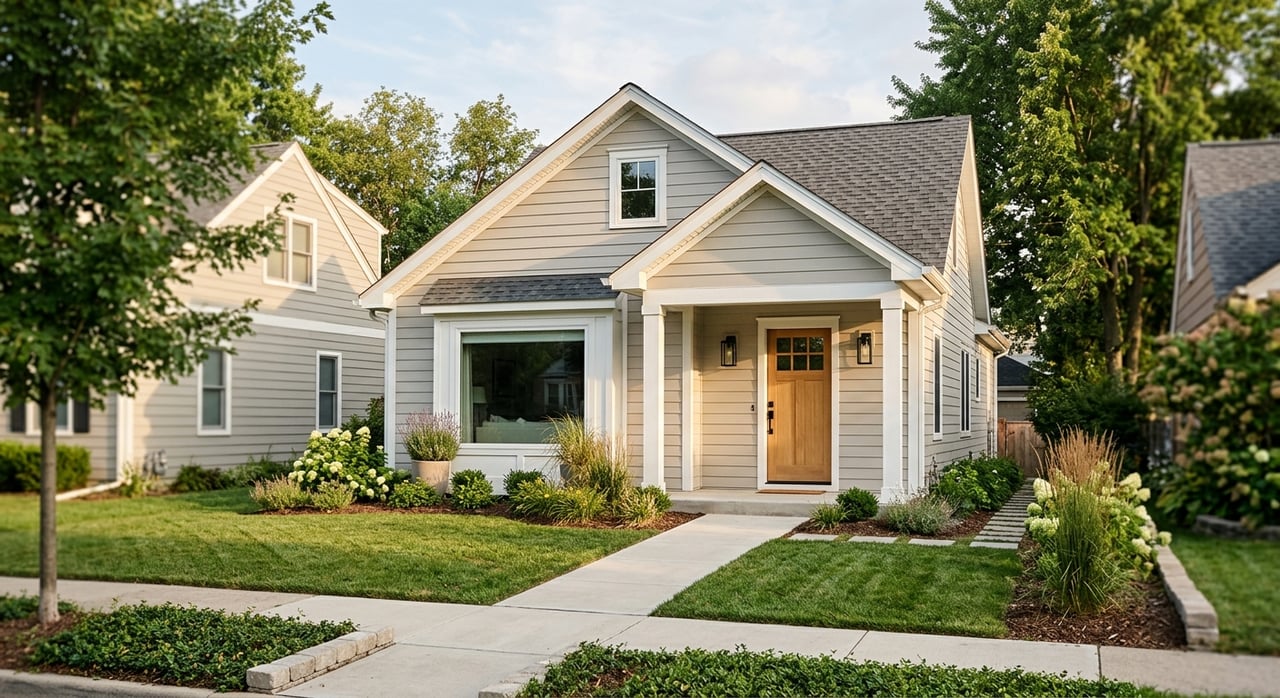
Michigan City Homes and Neighborhoods by Lifestyle
June 4, 2026
June 4, 2026
Looking at homes in Michigan City and wondering why one block feels historic and tucked-in while another feels beachy, artsy, or in transition? That difference is part of what makes this lakeshore market so interesting, and it is also why buying or selling here takes local context. When you understand how home styles and neighborhood feel change across Michigan City, you can narrow your search, price a home more accurately, and make a move with more confidence. Let’s dive in.
Michigan City is not a one-note housing market. It is a compact lakeshore city with about 31,466 residents, a 58.8% owner-occupied housing rate, and a mixed owner-renter profile that gives different parts of the city different rhythms and housing patterns.
Current market snapshots also show a wide affordability range depending on where you look. Redfin’s March 2026 tracker showed a median sale price of $153,000 and 22 median days on market, while Realtor.com’s April 2026 overview showed a median listing price of $239,500 and median rent of $1,100. Those numbers are useful as a starting point, but they do not capture how much neighborhood and home style matter here.
The city’s planning materials also point to an older housing stock and ongoing reinvestment. That is important because many homes in Michigan City come with distinct upkeep, renovation, and pricing considerations based on age, condition, and location.
If you picture classic in-town Michigan City, Elston Grove is one of the clearest examples. The historic district is made up largely of one-and-a-half- and two-story wood-frame homes built between 1866 and 1900, with gable-front and gable-and-wing forms that give the area a traditional residential look.
You will also find brick bungalows, foursquares, duplexes, apartment buildings, and civic buildings mixed into the district. Architectural details include Queen Anne, Greek Revival, Classical Revival, Italianate, Colonial Revival, and Craftsman features, which gives the neighborhood visual variety without losing its cohesive feel.
On the ground, Elston Grove feels compact and porch-oriented. Homes often sit on smaller lots with shallow setbacks, small yards, and alley-access garages, so the streetscape feels more traditional and connected than a suburban subdivision.
Older homes often bring character, but they can also bring more maintenance. Michigan City’s own housing plans highlight owner-occupied rehabilitation, code enforcement, and housing-quality improvements, which tells you that condition can vary significantly from property to property.
If you are buying in an older part of town, it helps to look past style alone. Updates, long-term maintenance needs, and renovation sensitivity can have a big impact on both your budget and your timeline.
Franklin Street is the heart of downtown Michigan City, and it feels different from the mostly residential historic districts. The commercial historic district is defined by mostly two-story brick buildings with little or no setback, direct sidewalk frontage, and a more urban street presence.
The side streets add more variety. Along with storefronts and civic buildings, the area includes wood-frame homes, brick bungalows, and foursquares, so the overall feel is mixed rather than purely commercial.
If you want to be close to downtown activity, this area can appeal to buyers who value convenience, older architecture, and a more connected street grid. For sellers, it is a reminder that a home near Franklin Street may attract different buyers than a similar-sized home farther from downtown.
The Wabash Street Historic District has a more layered identity. City design guidance describes it as an area with many commercial buildings near Franklin Street, residential properties between Washington and Wabash, and a strong historic link to the Haskell & Barker railcar manufacturing facility.
That gives the district a transitional feel. It is still historic, but it is shaped by industrial-era growth, mixed uses, and later redevelopment patterns, so it can feel less uniform than Elston Grove and less polished than the downtown core.
If you are drawn to a more creative, event-oriented part of the city, Uptown stands out. The Michigan City Mainstreet Association describes the Uptown Arts District as a vibrant part of downtown shaped by local businesses, public art, events, and community activity.
That arts-forward identity is reinforced by projects like Artspace Uptown Artist Lofts, a 44-unit live/work affordable housing development in the former Warren Building. This is one of the clearest examples of mixed-use, arts-led redevelopment in Michigan City.
For buyers, that can mean a more walkable and energetic environment. For sellers, it means the story of the location may matter just as much as square footage, especially when marketing a home near downtown destinations and community events.
The east side has a different kind of momentum. City materials describe SOLA as a transformative mixed-use project planned to bring new housing, retail, recreation, and better connectivity, while Eastport is identified as a resident-led quality-of-life focus area with goals tied to walkability, park upgrades, sidewalk improvements, housing rehab, and a full-service grocery store.
That gives parts of the east side an active and evolving feel. It may not feel as established as Elston Grove or as visitor-oriented as the lakefront, but it is clearly an area where improvement and reinvestment are part of the local story.
The lakefront side of Michigan City has a very different feel from inland neighborhoods. Washington Park is a 99-acre lakefront park with beach access, a zoo, walking paths, marina access, gardens, a bandstand, and community events, which creates a setting that feels more recreational and seasonal.
Homes near this part of the city often compete on lifestyle as much as layout. Access to Lake Michigan, views, and proximity to waterfront amenities can shape demand in ways that are very different from the city’s in-town housing stock.
This is also where you see more of Michigan City’s beach-adjacent and waterfront housing identity. Buyers looking for a primary home, second home, or weekend retreat may be drawn to these areas for reasons that go well beyond square footage alone.
Transit and parks help explain why different parts of Michigan City feel so distinct. The city’s parks system includes more than 30 locations, and the transit system serves destinations such as Washington Park, Marquette Mall, Ivy Tech, Blue Chip Casino, and South Shore-adjacent stops.
In practical terms, that means some neighborhoods feel more recreation-focused, some feel more connected to downtown activity, and others feel shaped by everyday convenience. When you are choosing where to live, access can influence how a neighborhood works for your routine just as much as the house itself.
Michigan City is a market where broad averages can be misleading. A historic bungalow in Elston Grove, a home near Franklin Street, and a lake-oriented property near Washington Park may all sit in the same city, but they often attract different buyers and are valued through very different comparisons.
As you narrow your search, focus on a few basics:
That last point matters more than many buyers expect. Michigan City has three designated historic districts, and the city says demolition, moving a building, new construction, and conspicuous exterior changes in those districts require Certificate of Appropriateness review. The city also states that the COA fee is $50 starting January 1, 2026.
If you are considering a historic property, those review requirements can affect your renovation timeline and decision-making. A home’s charm and location may be a huge plus, but you also want a clear picture of what exterior changes may require approval.
For sellers, neighborhood identity is a major pricing and marketing tool in Michigan City. Citywide numbers can provide a broad baseline, but they are not enough to price a home accurately in a market with this much variation.
Recent neighborhood snapshots show that lower-priced and mid-priced areas can sit far apart from lake-adjacent or arts-district pockets. Some reported neighborhood figures have ranged from around $149,900 in Eastport and $185,900 in Midtown to much higher figures in areas such as Beachway, North End, and Uptown Arts District. At the same time, some neighborhood data reflects only one or two sales, so those figures work better as directional signals than direct comps.
That is why pricing should be done neighborhood by neighborhood, not just citywide. The right strategy depends on your location, your home’s style and condition, and the buyer motivations most likely to drive interest.
A thoughtful marketing plan also needs to match the property. A historic in-town home may need its character and architectural details highlighted, while a lake-adjacent property may need the story centered on lifestyle, access, and scarcity. A home near downtown may benefit from messaging around mixed-use convenience, community events, and walkability.
Michigan City’s appeal comes from its variety. If you want help understanding which neighborhood fits your goals or how to position your home in this segmented market, connect with Meghan Maddox for local guidance rooted in the lakeshore lifestyle and real-world market strategy.

I am committed to guiding you every step of the way—whether you're buying a home, selling a property, or securing a mortgage. Whatever your needs, I've got you covered.
ADDRESS
1401 LAKE SHORE DR
MICHIGAN CITY IN 46360