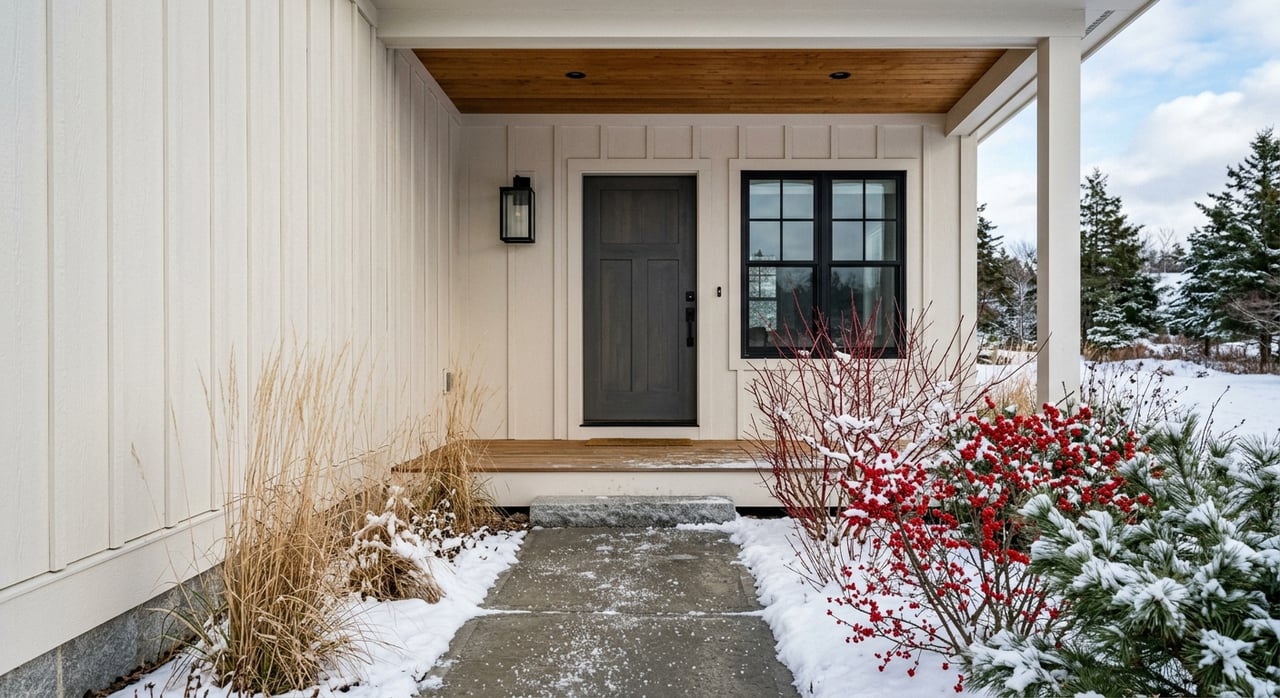
Should You Live in Union Pier Year Round or Seasonally?
June 25, 2026
June 25, 2026
If you are thinking about buying in Union Pier, one question matters more than almost any other: do you want a home that fits everyday life, or a place that shines brightest on weekends and in summer? That choice can shape everything from your routine to your expectations for beach access, errands, and winter downtime. The good news is that Union Pier can work well for both, as long as you understand what life here really looks like through the seasons. Let’s dive in.
Union Pier is best understood as a small lakeshore hamlet within Harbor Country, not a large stand-alone town with a big commercial center. Local planning documents describe it as spanning parts of Chikaming Township and New Buffalo Township, with a strong identity tied to Lake Michigan and a low-key public beach system.
That setting is a big part of the appeal. If you are drawn to a quieter, walkable beach community with a relaxed pace, Union Pier offers that in a way that feels distinct from busier lake destinations.
Living in Union Pier full time usually means embracing a smaller-scale daily routine. You are not choosing a major downtown or a long list of in-town services. Instead, you are choosing a compact community with a few practical local stops and a broader regional lifestyle.
In Union Pier itself, everyday options include places like a grocery market, coffee bar, deli, bakery, restaurants, and other small businesses listed by Harbor Country’s chamber. For many full-time residents, that mix supports the basics while the surrounding Harbor Country area fills in the rest.
One of the most important things to know is that full-time life in Union Pier often extends beyond Union Pier itself. School, errands, dining, and activities may take you into nearby communities throughout Harbor Country.
For households with school-aged children, River Valley School District serves nearby Harbor Country communities, including Chikaming and other surrounding areas. The district’s middle and high school are in Three Oaks, which reinforces that day-to-day life here is connected to the wider region rather than centered only inside Union Pier.
Union Pier can also work for people who want a small-community feel without being cut off. Harbor Country transportation information places the area about 90 minutes from downtown Chicago by car, with access from I-94 Exit 6 serving Union Pier and Lakeside.
There is also daily Amtrak service in nearby New Buffalo on the Chicago to Port Huron corridor. If you need occasional city access or split time between homes, that regional connectivity can make full-time ownership feel more realistic.
Year-round living also means experiencing Union Pier when the summer crowd fades. That is often a positive for buyers who want a quieter pace, less activity, and a stronger sense of seasonal rhythm.
Winter is not inactive, but it does feel different. Regional climate reporting notes a snow season from November through March, with lake-effect snow not uncommon, so full-time living here comes with a different relationship to the shoreline, more weather awareness, and more home maintenance than you might expect in peak summer.
Seasonal living in Union Pier is usually about ease, beach access, and a true getaway feel. If you picture arriving for long weekends, hosting guests, and spending late spring through early fall close to Lake Michigan, Union Pier is especially well suited for that kind of ownership.
Harbor Country’s chamber says Union Pier has the largest number of lodging options in Harbor Country, including bed-and-breakfasts, inns, cottages, and luxury homes. That long-standing visitor pattern helps explain why the community feels so naturally geared toward weekend and seasonal use.
For many seasonal buyers, the biggest advantage is how close the beaches are to the center of Union Pier. Township beach maps show that Berrien Street, Miller, McKinley, and Townline beaches are walkable from central Union Pier.
That kind of access supports the lifestyle many second-home buyers want. You can settle into a beach-first routine without needing a packed itinerary or a large entertainment district.
Union Pier is lively in the warmer months, but it still tends to feel more understated than highly built-up resort areas. Township planning materials note that the public beach system includes road-end beaches, and several of the smaller accesses have no parking, no facilities, and no lifeguards.
That detail matters because it shapes expectations. Union Pier tends to fit buyers who want a quieter shoreline retreat, not a full-service beach town with big public amenities at every access point.
Because the area has a strong lodging base and a long seasonal identity, Union Pier can feel naturally guest-friendly. Friends and family often understand the appeal right away: easy beach access, a relaxed setting, and a simple weekend rhythm.
If your goal is to own a place that feels like a true escape without being too far from Chicago or other regional hubs, that is where seasonal ownership can make a lot of sense.
The biggest difference between year-round and seasonal living in Union Pier may be the pace of life across the calendar. Summer and early fall tend to bring the most activity, while winter brings a quieter, more maintenance-focused stretch.
That does not mean winter lacks appeal. It simply means the lifestyle shifts.
From spring through fall, the broader outdoor network is easier to enjoy. Berrien County says Galien River County Park is open daily from dawn until dusk during those seasons, offering another option for nature-focused outings in the area.
Nearby Warren Dunes State Park adds even more flexibility with shoreline, hiking trails, paddling, and other outdoor recreation. For many buyers, these regional amenities make the warmer seasons feel rich and active beyond the beach itself.
Winter is quieter by design. Galien River County Park closes in winter because of snow and ice, but Warren Dunes remains a year-round state park and includes winter activities like cross-country skiing.
If you plan to live in Union Pier all year, it helps to enjoy that quieter season for what it is. Think peaceful shoreline views, fewer crowds, and a slower rhythm rather than a continuation of peak beach season.
The right choice depends on what you want your home to do for you. Union Pier can work beautifully for full-time residents and seasonal owners, but the best fit usually becomes clear once you think honestly about your routine.
Here is a simple way to frame it:
Before you buy in Union Pier, it helps to focus less on labels and more on actual use. A property that feels perfect in July may not fit the needs of a household planning to live there every day in January.
That is why local guidance matters. When you look at homes here, you want to think beyond square footage and finishes and pay close attention to access, seasonal rhythm, travel patterns, and how connected you want to be to the wider Harbor Country area.
Whether you are searching for a full-time home or a seasonal retreat, the best decision usually comes from matching the property to your real lifestyle, not an imagined one. If you want help thinking through Union Pier from a local, practical point of view, connect with Meghan Maddox.
I am committed to guiding you every step of the way—whether you're buying a home, selling a property, or securing a mortgage. Whatever your needs, I've got you covered.
ADDRESS
1401 LAKE SHORE DR
MICHIGAN CITY IN 46360